Crafting High-Converting Websites: Your Digital Shopfront for Expert-Led Businesses

Digable Markets • 13 April 2026

Crafting High-Converting Websites: Your Digital Shopfront for Expert-Led Businesses

You've poured years into building your consulting expertise across Hampshire, yet if your website's sitting idle, it's probably not drawing in those ideal clients from Southampton or Bournemouth. Visitors land on your pages, sure, but they're leaving without booking a call or even sharing their details. And that gap? It's costing you endless outreach efforts and so many missed opportunities for steady inbound leads.

The Hidden Problem with Most Expert Business Websites

Many expert-led businesses, let's be honest, treat their websites as static brochures. They simply list services and do little else. This often means confusing navigation, slow load times, and vague messaging that just hides your true authority. Without clear paths to action, what happens? Potential clients from Winchester or Salisbury bounce away, forcing you right back to cold emails and endless networking events.

The reality? This issue runs much deeper when we talk about B2B web design. Your site simply must reflect trust and expertly guide visitors towards making decisions. However, here's the thing: most business websites just don't have the right structure for effective lead generation websites . We see it daily: consultants are exhausted from manually creating content, all while their digital presence dramatically underperforms.

The result? Inconsistent leads. Stalled growth. You deserve a digital shopfront that works tirelessly, 24/7, to capture interest and genuinely convert it into loyal customers.

The Trend: High-Converting Websites as Your Lead Engine

Looking ahead to 2026, high-converting websites aren't just a buzzword; they're emerging as the absolute top trend for expert businesses. These aren't just pretty sites, though. They go far beyond looks, integrating cutting-edge website design for leads with smart features like UX optimisation and powerful CRM integration web tools. Imagine your site as a bustling, inviting shopfront right there in the New Forest, effortlessly drawing passersby inside and closing sales on the spot. That's the power we're talking about.

Recent insights from Identiti Design's "The Ultimate 2026 Guide to High-Converting Web Design" highlight crucial elements: mobile-first approaches and single, clear CTAs that dramatically slash decision friction. For you, this means sites meticulously optimised for quick scans on phones, perfect for those client commutes from Eastleigh or Basingstoke.

We craft these bespoke solutions for professionals just like you – from accountants to coaches. One client in professional services, for instance, shared how our "range of services from website hosting and design to CRM and marketing automations" truly transformed their online presence into a powerful lead magnet. A game-changer.

Deep Dive: Elements of High-Converting Websites

Let's start with intuitive navigation. It's got to showcase your authority content front and centre. Users typically follow an F-pattern when reading online, so it's vital to place your key messages right above the fold. That's why we prioritise building lead generation websites with clear breadcrumbs and incredibly logical menus. It helps build credibility fast. Really fast.

Next, make sure you embed one prominent call-to-action (CTA) per page. Something clear, like "Schedule Your Free Audit." This simple focus significantly reduces overwhelm and dramatically boosts conversions for all expert business websites . Additionally, pair it with fast-loading, professional images. They should evoke trust without ever slowing your site down.

Mobile responsiveness truly seals the deal. With over half of all B2B decisions happening on mobile devices, we always ensure truly seamless experiences, no matter the screen size. Also worth noting: adding AI search optimisation is key. It helps you rank higher and attract precisely the right visitors organically.

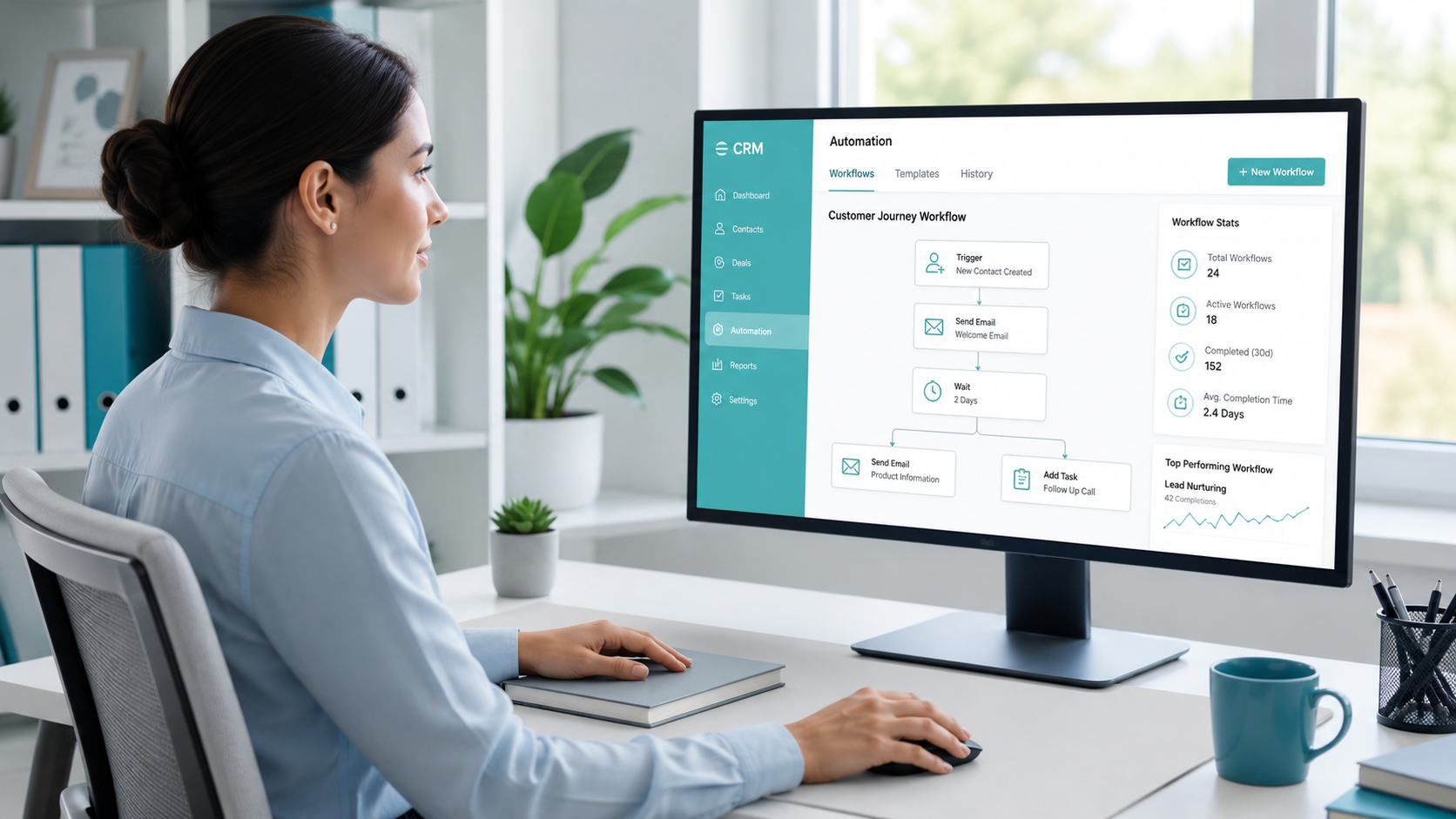
Finally, don't forget to weave in CRM automation. It's essential for truly seamless lead nurturing. Your forms won't just capture details; they'll trigger instant follow-ups, effectively turning those one-time visitors into booked consultations.

Your Monetisation Blueprint: Build and Profit

Want to turn this powerful trend into reliable revenue? Our step-by-step blueprint shows you how. You'll gain consistent inbound leads, and we'll handle all the heavy lifting of the build itself. So, here's exactly how we make high-converting websites truly pay off for your business.

  1. Assess and Plan: First, we'll audit your current site, looking for any UX gaps. We'll then help you define your ideal client and core offers, shaping messaging that truly resonates.
  2. Design for Conversion: Next, we create a sleek, mobile-first layout. This includes clear headlines, benefit-focused copy, and those all-important strategic CTAs. We'll integrate your authority content too, positioning you as the undeniable go-to expert.
  3. Optimise and Integrate: Then, it's about speed. We'll boost load times, add that vital CRM integration web for seamless lead flow, and rigorously test your CTAs. Plus, we use AI tools for continuous search optimisations.
  4. Launch and Track: Go live! We then closely monitor analytics and refine everything as needed. You can expect leads to start flowing within weeks, just as one partner shared: our work promises a "productive and profitable future." No more guesswork.
  5. Scale with Content: Finally, keep your site fed with fresh insights via our work in authority marketing. Watch your authority grow and new clients arrive, almost effortlessly.

This blueprint truly empowers you to ditch the exhausting drudgery of constant outreach. Businesses across the Isle of Wight and beyond are reporting significantly enhanced credibility and even doubled inquiries after implementing these upgrades. It's a game-changer.

Key Takeaways for Your Growth

  • Prioritise digital shopfronts over static brochures – because they're designed to generate leads around the clock.
  • Focus heavily on UX optimisation and implement single, clear CTAs. This approach dramatically cuts bounce rates and truly lifts conversions.
  • Integrate CRM solutions early on. You'll get automated nurturing that builds strong, long-term client relationships.
  • Partner with experts like us. We seamlessly blend stunning design, compelling content, and cutting-edge tech.

You've got the expertise, the knowledge. A high-converting website simply unlocks its full, incredible value. Our clients aren't just seeing results; they're seeing real, tangible growth – from a steady flow of leads to truly scalable business expansion.

Ready to Build Your High-Converting Website?

It's time to elevate your digital shopfront today and attract your ideal clients without all the usual hustle. We specialise in one thing: turning your incredible expertise into the kind of authority that effortlessly draws in inbound leads. So, why wait? Book a Free Consultation with us today, and let's craft the truly exceptional site your business deserves.


by David Wills 15 June 2026
Expert consultancies across Hampshire, the Isle of Wight, Winchester, New Forest, Oxford, Andover, Reading, and London often watch their best insights stay hidden from the clients who need them most.
by David Wills 9 June 2026
Digital agencies are used to helping clients improve search visibility, content performance, conversion and online authority. But AI search is changing the rules. As more people use tools like ChatGPT, Perplexity, Gemini and Google AI Overviews to discover suppliers, compare expertise and ask for recommendations, the question is no longer just: “Does this agency rank in search?” It is also: “Can AI systems clearly understand what this agency does, who it helps, what it is credible in, and when it should be recommended?” As part of a wider 1,000-site AI Visibility analysis, I reviewed a sample of 100 digital agency websites to explore how clearly agencies are presenting themselves to AI systems. The findings are mixed — and revealing. Some agencies show strong AI visibility signals. Others look polished on the surface but are harder for AI systems to interpret confidently. That creates what I would describe as an AI readiness gap . Headline findings Across the 100 digital agency websites reviewed: 13% showed Authoritative AI Visibility 40% showed Strong Visibility 17% showed Emerging Visibility 8% showed Weak Visibility 21% were effectively Invisible in the audit The average AI Visibility Score was 53.6 , while the median was 67.3 . That difference between average and median is important - it suggests a split market. A substantial group of agencies are performing reasonably well, but a meaningful minority are being pulled down by weaker structure, access issues, unclear authority signals or limited crawl behaviour. In other words, the agency sector is not uniformly weak. But it is inconsistent. The key question: are agencies AI-ready themselves? Many agencies are already talking to clients about AI, automation, content strategy, search disruption and digital transformation. That makes this sector particularly interesting. If agencies are going to advise clients on visibility in an AI-shaped search environment, their own websites need to send clear signals too. Those signals include: What the agency specialises in Who it works with What services it provides What evidence supports its expertise What results it can credibly claim Who the experts are behind the content How its insight content connects to its services The issue is not whether agencies understand marketing. The issue is whether their websites make their expertise clear enough for AI systems to interpret, trust and recommend. The most common profile: Credible, but Unclear The most common profile in the agency sample was Credible but Unclear , affecting 33% of sites. That is a significant finding. It suggests that many agency websites are not lacking credibility. They often have strong branding, case studies, service pages, clients, awards, content and sector experience. But those signals are not always connected clearly enough. For a human visitor, a visually impressive agency site may feel persuasive. For an AI system, the important question is different: Can the site be confidently understood, categorised and matched to a specific user need? A website might say: “We drive growth” “We create digital experiences” “We help ambitious brands scale” “We combine creativity, performance and technology” Those statements may be attractive, but they do not always explain enough. AI systems need clearer signals around: Specific services Specialist sectors Proven expertise Named methodologies Measurable outcomes Relevant case studies Expert authorship Without those signals, the agency may look credible but remain difficult to recommend confidently. A second pattern: Obstructed Discovery The second most common profile was Obstructed Discovery , affecting 27% of sites. This does not necessarily mean those agencies are poor performers commercially or lack expertise. It means the audit found barriers that made the site harder to assess or interpret. Across the sample: 32% had host-handling or access concerns 25% showed low crawl confidence 21% showed limited crawl behaviour For the purposes of this snapshot, the aim is not to dwell on individual sites that did not assess cleanly. The broader point is more useful: AI visibility depends on access as well as content. If a website creates crawl, host, redirect, sitemap or structural confusion, it can reduce how easily AI systems discover and interpret the organisation’s expertise. This is especially relevant for agencies, because technical polish and front-end design do not always guarantee machine-readable clarity. The strongest agencies were not just “well designed” A good agency website does not need to be boring, formulaic or over-optimised. But the stronger sites in the sample tended to combine brand polish with clearer structural signals. They were more likely to make obvious: What the agency does Which services matter most What sectors it understands Where its authority comes from How case studies connect to service capability Whether content is authored by visible experts How insights support commercial positioning This matters because AI systems do not simply “like” good design. They need to extract meaning. The strongest agency sites are not just attractive. They are interpretable. The weakest signals: Structure, Authority and Schema Across the 100 digital agency websites, the weakest recurring signals were: Structure Authority Schema In practical terms, this means many sites could improve how clearly they organise, label and connect their information. The weakest signal was Structure for 50% of sites. That is one of the most important findings in the report. It suggests that many agencies may have useful information on their websites, but the content is not always arranged in a way that helps AI systems build a coherent picture of the business. Common structural issues include: Broad service pages that lack depth Unclear relationship between services and case studies Insight content that is disconnected from commercial positioning Weak internal linking between expertise areas Limited explanation of methodology Unclear author or expert attribution Vague sector positioning Inconsistent language around services and outcomes This does not mean every agency needs to rebuild its site. But it does suggest that “looking good” and “being AI-readable” are not the same thing. The attribution gap One particularly interesting issue was attribution. In the wider review of the agency sample, more than half of the sites showed signs of weak visible author or expert attribution. For agencies, this matters. Many agencies publish blogs, trend reports, campaign insights and strategic opinions. But if those pieces are not clearly connected to named experts, teams or areas of specialism, the authority signal can be weaker. AI systems are increasingly trying to understand not just what is said, but who is saying it and why they should be trusted. For an agency, that means thought leadership should not feel anonymous. Useful improvements include: Named authors on insight content Expert bios linked from articles Clearer team expertise pages Visible strategist, SEO, content, UX or performance specialists Case studies connected to relevant service leads Stronger links between content topics and service capability This is not just a technical SEO issue. It is an authority issue. The Agency Paradox The most interesting finding from this sector is what I would call The Agency Paradox . Many agencies are highly skilled at making clients look credible online. But their own websites sometimes make their expertise harder to interpret than it needs to be. This can happen because agency websites often prioritise: Creativity Brand language Visual impact Broad positioning Campaign showcase content High-level service messaging Those things can be valuable. But AI systems also need clarity, consistency and evidence. An agency may be impressive, but if its specialisms, expertise and proof are scattered or implied, AI systems may struggle to understand when to recommend it. What agencies can do about it Improving AI visibility does not mean abandoning good design or writing robotic content. It means making expertise easier to interpret. Here are five practical areas agencies should review. 1. Make specialisms explicit If you are strong in SEO, paid media, brand strategy, content, UX, performance marketing, ecommerce, B2B lead generation or AI search, say so clearly. Avoid relying only on broad phrases like “digital growth” or “full-service marketing”. 2. Connect services to evidence Service pages should not sit separately from proof. Each core service should connect to relevant: case studies results testimonials insight articles sector examples team expertise This helps AI systems understand not just what you offer, but what supports your authority. 3. Strengthen expert attribution If your agency publishes insight content, make it clear who is behind it. Named authors, team bios and specialist profiles can strengthen trust signals. 4. Build clearer content pathways Insight content should connect back to commercial themes. If you write about AI search, SEO, brand strategy, content performance or conversion, make sure those articles support a clear area of expertise on the site. 5. Review technical access and crawl clarity Redirects, host handling, sitemap quality, crawl paths and internal linking all affect how easily a site can be assessed and interpreted. A site can look modern to users while still creating confusion for crawlers and AI systems. The bigger takeaway The digital agency sector is ahead of many industries in some respects. Many agencies have active websites, fresh content, case studies and strong digital brands. But the sector also shows a clear AI readiness gap. The agencies most likely to benefit from AI search will not simply be those with the best-looking websites. They will be the ones whose expertise, specialisms, people, proof and content are structured clearly enough for AI systems to understand, trust and recommend. That is the challenge — and the opportunity. As AI search becomes more influential, agencies will need to think beyond traditional rankings. The future of visibility will depend not only on whether a site can be found, but whether it can be confidently interpreted. About this snapshot This article is based on early findings from a wider 1,000-site AI Visibility analysis by Digable Marketing. The purpose of this snapshot is not to rank or criticise individual agencies, but to identify sector-level patterns and practical opportunities for improvement. Individual scores are not published here. The focus is on what the sector as a whole reveals about AI visibility, authority and search readiness. If you would like to run our AI Visibility Audit on your own agency website you can do so here: Ai Visibility Assessment
Two coworkers review a chart on a tablet at a desk in a bright office.
by David Wills 9 June 2026
Discover how content that connects builds authority for expert-led businesses and generates consistent inbound leads by appealing to both AI systems and human readers.
by David Wills 8 June 2026
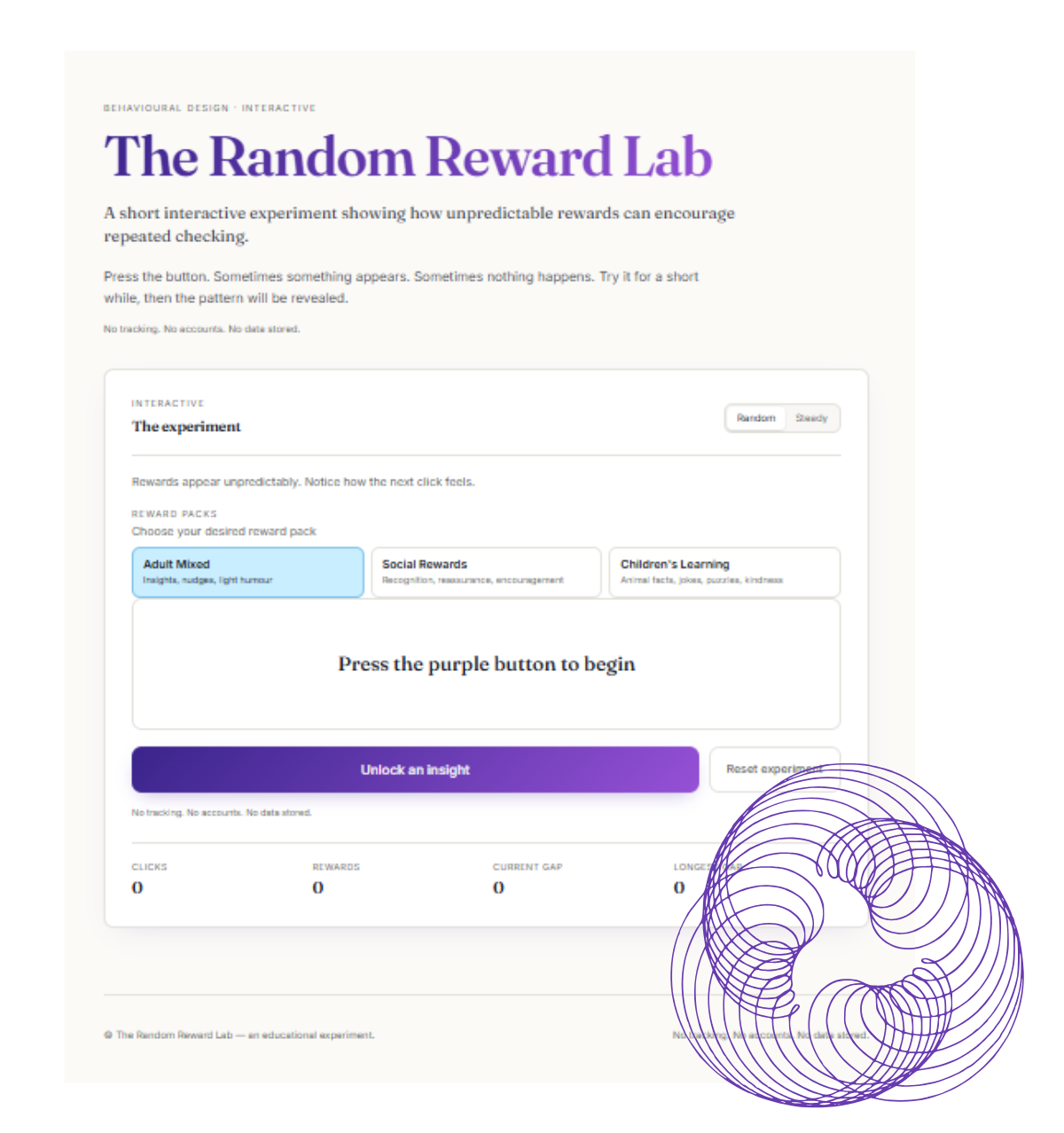
Written Resource to Accompany The Random Reward Lab
Teacher writing on a whiteboard during a classroom lesson
by David Wills 4 June 2026
What 100 Learning & Facilitation Websites Reveal About AI Visibility
Person seated at a desk using a desktop computer with a teal dashboard interface in a bright office.
by Digable Markets 25 May 2026
Learn how CRM Automation Efficiency helps expert-led B2B firms cut admin, strengthen lead nurturing systems, and build predictable revenue through intelligent automation.